P. A. Chacko
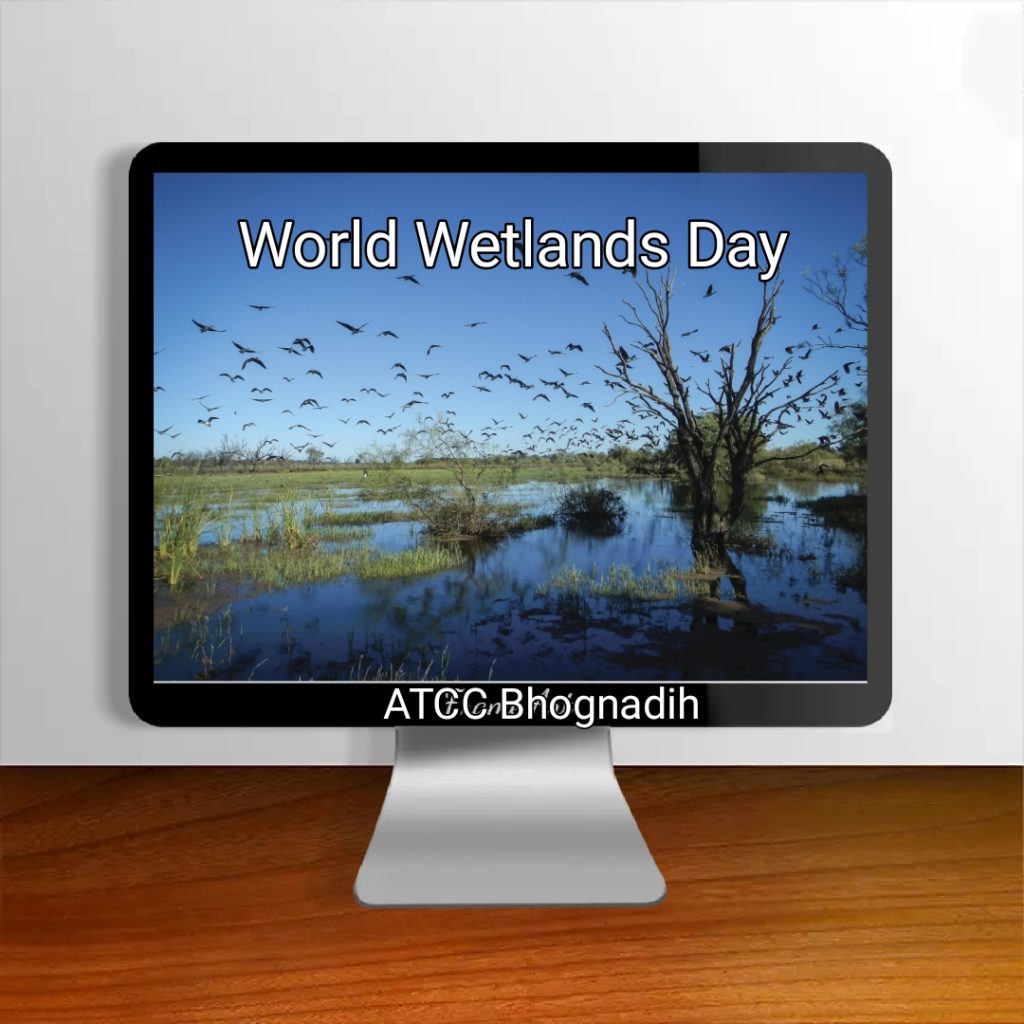
We need to protect and preserve our wetlands to support our eco system and to promote universal well being.
A wetland is understood as a semi aquatic sphere covered and saturated with ground water, permanently, for long time or even seasonally.
Wetlands are “transitional zones between water bodies and drylands.” They are considered among the most biologically diverse eco-systems, serving as home for inhabitants of “a wide range of aquatic and semi- automatic plants and animals with often improved water quality.”
World Wetlands Day 2025 is promoting three key messages:
“Protecting the world’s wetlands is in our common interest – it safeguards us all.
Preserve our wetlands.
The future of humanity depends on bold action today to protect and restore these indispensable ecosystems.
Preservation of our eco system is not for the benefit of human species only. God’s created reality is in human hands. We, with our intelligence, have God-given capacity to devise ways to promote the welfare of the universe and the global eco-system.
But, often our avarice and our over- exploitation of natural resources cause untold damage to global universal wellbeing. The earlier we realise, the better!
The Wetlands Centre (wetlandscentre.org.au) suggests a few methods to protect wetlands:
* “Limit your use of chemicals – fertilizers, pesticides, insecticides or fungicides – and use organic remedies instead. These potent chemicals can leach into groundwater, and subsequently into the wetlands. Use animal manure that is great for the garden and has no unpleasant side-effects.
* It is best to keep pets indoors or under supervision. They are likely to cause less harm if they are not allowed to stray. On a similar note, pests that are introduced into the wetlands can have a detrimental effect on the wetland ecology.
* Using safe, sustainable and eco-aware methods of waste disposal ….Reduce the use of plastic, whether it is plastic water bottles or disposable plastic containers, straws and cutlery. Reuse and recycle to the maximum possible extent.
* Reducing pollution. Buy organic, eco-friendly and sustainable products. Be energy-conscious and use energy wise appliances.
* Use water judiciously. Even wetland wildlife is adept at using water, a vital resource, judiciously. Turn off the tap when not in use and use only as much as you need. Do not waste water.
* You can help in the conservation and rehabilitation efforts – by planting native flora, creating habitats for wildlife and participating in citizen science projects and initiatives.
* Help wetland wildlife.
They may venture out to human habitations for food hunt or for protection from pollution. Guide them back to safer places.”
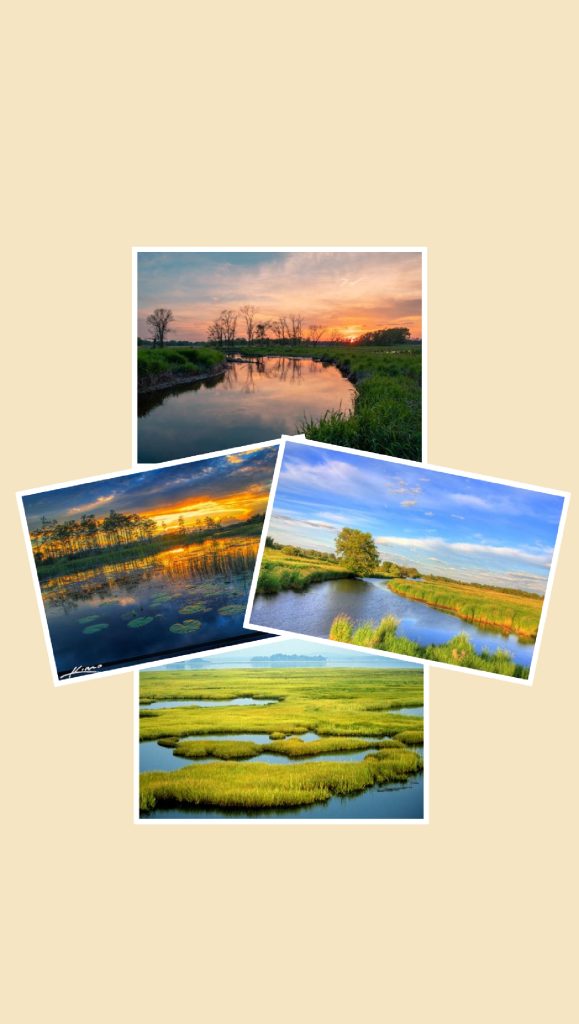
Above all, consider wetlands as part and parcel of our eco system and as our co-traveller in this universe. Respect, protect, preserve and guide all co-travellers. They have every right as much as we humans have. Be eco-inspired!