Jacob Hembrom
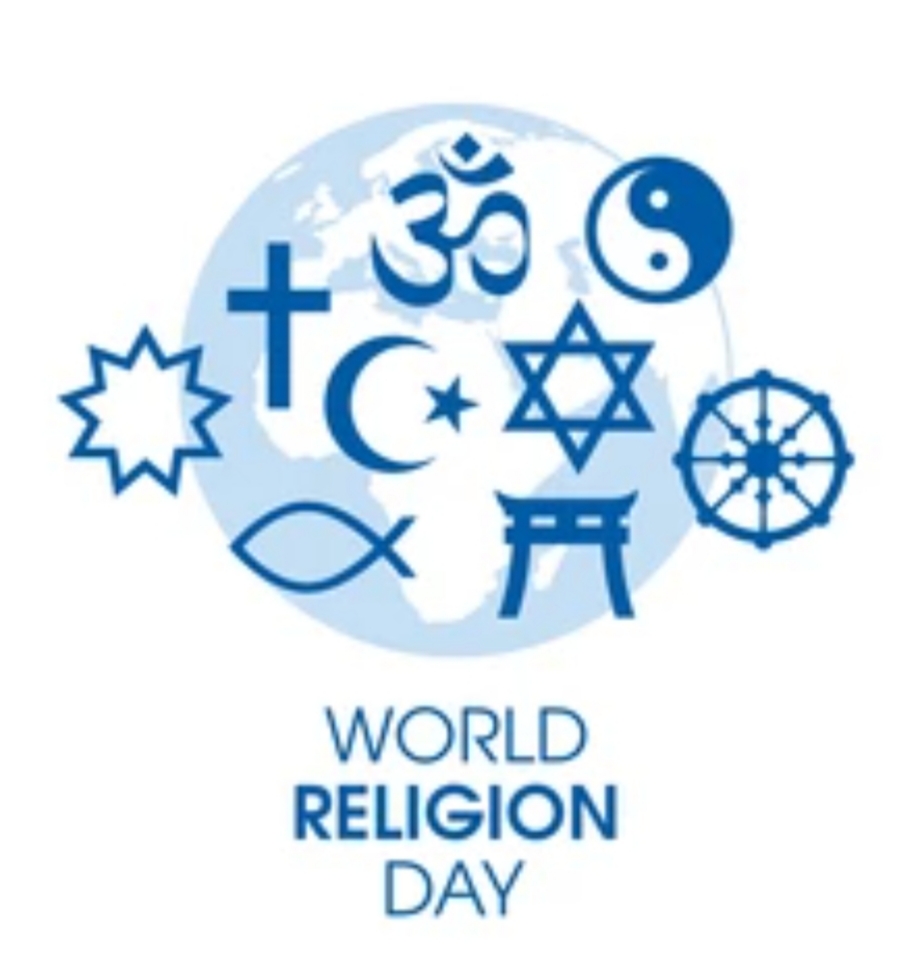
World Religion Day, observed every year in January, invites people to reflect on the shared spiritual values that unite humanity beyond doctrinal differences. In the Indian context, this day resonates deeply, as India has been a living laboratory of religious coexistence for centuries, nurturing traditions such as Hinduism, Buddhism, Jainism, Sikhism, Islam, Christianity, and many indigenous faiths.
India’s Constitution upholds secularism not as the absence of religion, but as equal respect for all religions. World Religion Day thus becomes an occasion to reaffirm India’s age-old ethos of “sarva dharma sambhava“—the harmony of all faiths—encouraging dialogue, mutual respect, and peaceful coexistence amid growing social and religious polarisation.
In a diverse and plural society like India, World Religion Day also calls citizens to move from mere tolerance to active solidarity. By celebrating common values such as compassion, justice, truth, and care for creation, the day reminds Indians that religious diversity, when guided by mutual understanding, can be a powerful force for national unity and global peace.