Jacob Hembrom
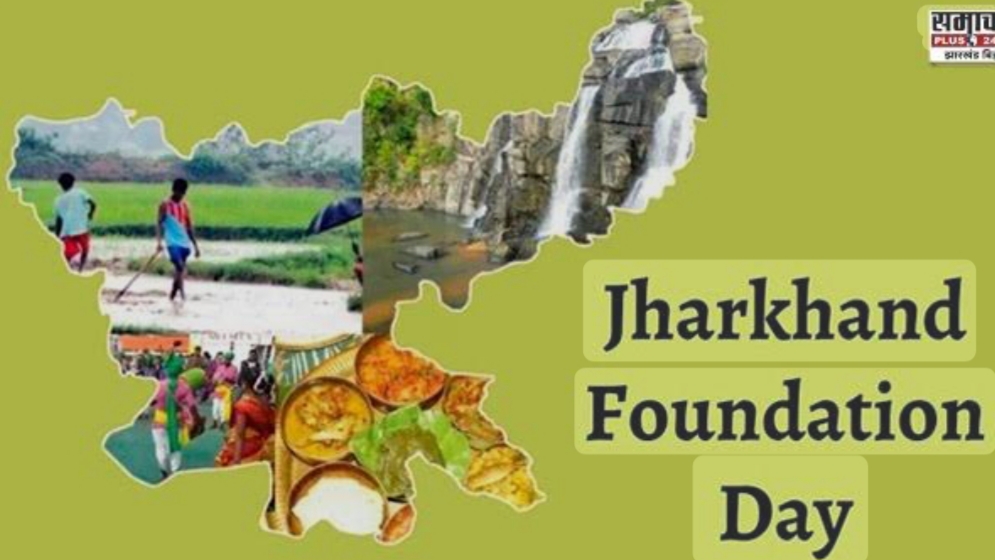
Santhal Parganas Sthapna Diwas is observed every year on 22 December to commemorate the formation of the Santhal Parganas as a distinct administrative region. The day holds great historical and emotional significance for the Santhal community and other Adivasi people, as it marks the recognition of their identity, dignity, and collective struggle. Its roots lie in the historic Santhal Hul of 1855–56, led by Sidhu, Kanhu, Chand, and Bhairav Murmu, along with Phulo and Jhano, against British colonial rule and the exploitation by zamindars and moneylenders. Following this powerful resistance, the British administration created Santhal Parganas as a separate administrative unit, and this historic step is remembered on 22 December.
Today, Santhal Parganas is an important region of Jharkhand, comprising districts such as Dumka, Deoghar, Godda, Sahibganj, Pakur, and Jamtara. The region enjoys special legal and administrative protections, particularly through the Santhal Parganas Tenancy Act of 1949, which safeguards tribal land, customs, and traditional systems of governance. These provisions reflect the long-standing effort to preserve the social and cultural uniqueness of the Santhal people.
Santhal Parganas Sthapna Diwas is both a celebration and a moment of reflection. It honours the sacrifices of Santhal martyrs and celebrates the rich cultural heritage of the region, including language, traditions, music, dance, and a deep bond with nature. At the same time, the day reminds people of ongoing challenges related to land and forest rights, education, employment, and cultural preservation. It calls for a development path that is just, inclusive, and respectful of Adivasi life and values, inspiring present and future generations to uphold justice, self-respect, and solidarity.