Jacob Hembrom
India’s democracy is rooted in its Constitution (1950) which guarantees justice, liberty, equality, and fraternity to all citizens. It provides for universal adult suffrage, ensuring that every citizen has the right to vote regardless of caste, creed, gender, or religion. Over the decades, India has demonstrated the strength of democratic institutions through regular elections, a vibrant multiparty system, judicial independence, and a free press.
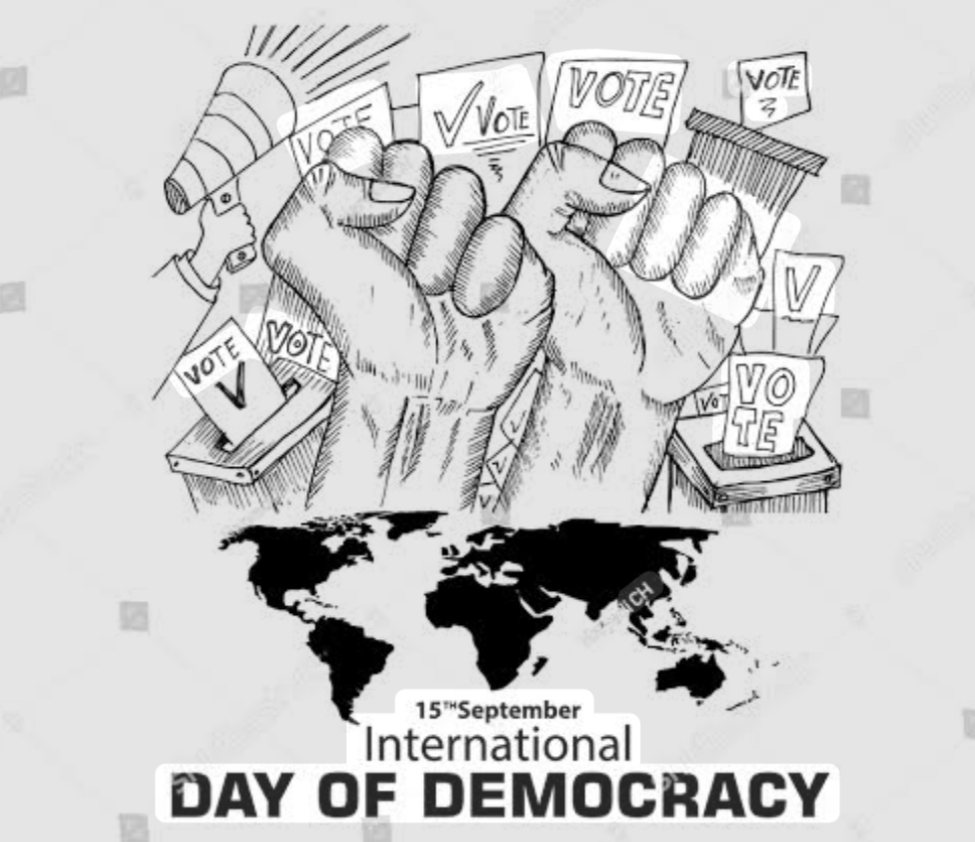
The International Day of Democracy, observed on 15th September, is a reminder of the values of freedom, equality, and participation that form the foundation of democratic societies. For India, the world’s largest democracy, this day holds special significance.
However, the day also reminds us of the challenges facing Indian democracy: issues like electoral malpractices, corruption, social inequalities, communal tensions, and threats to freedom of expression. Observing this day invites citizens to reflect on their duties and responsibilities in strengthening democracy, not just as a system of governance but as a way of life rooted in dialogue, tolerance, and inclusiveness.
Thus, for India, the International Day of Democracy is both a celebration of its democratic achievements and a call to safeguard and deepen these values for future generations.